SEA CHEF logo

Sea Chef Technologies

The right quality fish. For the right customer. At the right time. Delivered globally.
Sea Chef Technologies SIA

Sea Chef Technologies
at a glance

SIA «SEA CHEF TECHNOLOGIES» was created with a simple idea in mind: to connect seafood production with professional, stable service for our customers using modern management and IT technologies. Over time, the company has grown from a small, focused team into a structured organization with employees and agents located around the globe handling a wide range of frozen and fresh fish products, shrimps and molluscs.


Expertise
Expertise in frozen fish and seafood sourcing
Logistics and supply
Logistics and supply chain management solutions
Focus on quality
Focus on quality, compliance, and sustainability

Categories

Different market segments - the same quality system, tailored specifications for your needs.

Wholesale

Wholesale

For first hand importers. Bulk supply, fast deliveries during and after the season

Processing

Processing

Raw material for further processing and packing. Stable quality suitable for the end goal

HoReCa

HoReCa

Chef-ready products in different formats. Fillets, steaks and more

Retail

Retail

Consumer ready packs, private label for supermarket chains and compliance support

Shipment by seaShipment

Shipment tracking

Track your shipments in real time via our tracking module.

Explore our portfolio

Species

Atlantic Mackerel

Atlantic Mackerel

Scomber scombrus
Product forms:
WR
HG
Fillets
Processing:
Seafrozen
Landfrozen
Capelin

Capelin

Mallotus villosus
Product forms:
WR
ROE
Processing:
Landfrozen
Blue whiting

Blue whiting

Micromesistius poutassou
Product forms:
WR
HG
Processing:
Seafrozen
Landfrozen
Jack mackerel

Jack mackerel

Trachurus murphyi
Product forms:
WR
HGT
Processing:
Seafrozen
Landfrozen
Atlantic Herring

Atlantic Herring

Clupea harengus
Product forms:
WR
HG
Fillets
ROE
Processing:
Landfrozen
Silver smelt

Silver smelt

Argentina silus
Product forms:
WR
HG
Processing:
Seafrozen
Pacific Hake

Pacific Hake

Merluccius productus
Product forms:
WR
HG
Fillets
HGT
Processing:
Seafrozen
Landfrozen
Argentine hake

Argentine hake

Merluccius hubbsi
Product forms:
WR
HG
Fillets
HGT
Processing:
Seafrozen
Landfrozen
Atlantic Salmon

Atlantic Salmon

Salmo salar
Product forms:
Fillets
HON
By-products
Processing:
Landfrozen
Steelhead trout

Steelhead trout

Onchorhynchus mykiss
Product forms:
HG
Fillets
ROE
HON
By-products
Processing:
Landfrozen
Coho salmon

Coho salmon

Onchorhynchus kisutch
Product forms:
HG
Fillets
ROE
By-products
Steaks
Processing:
Landfrozen
Chum salmon

Chum salmon

Wrong subtitle (ni)
Product forms:
HG
Fillets
ROE
Steaks
Processing:
Seafrozen
Landfrozen
King salmon

King salmon

Wrong subtitle (ni)
Product forms:
Fillets
ROE
HON
Processing:
Landfrozen
Pangasius

Pangasius

Pangasius hypopthalmus
Product forms:
WR
Fillets
HGT
By-products
Steaks
Processing:
Landfrozen
Pink salmon

Pink salmon

Onchorhynchus gorbuscha
Product forms:
WR
HG
Fillets
ROE
Steaks
Processing:
Landfrozen
Tilapia

Tilapia

Oreochromis niloticus
Product forms:
WR
Fillets
By-products
Processing:
Landfrozen

Quality

At Sea Chef Technologies we take quality seriously.

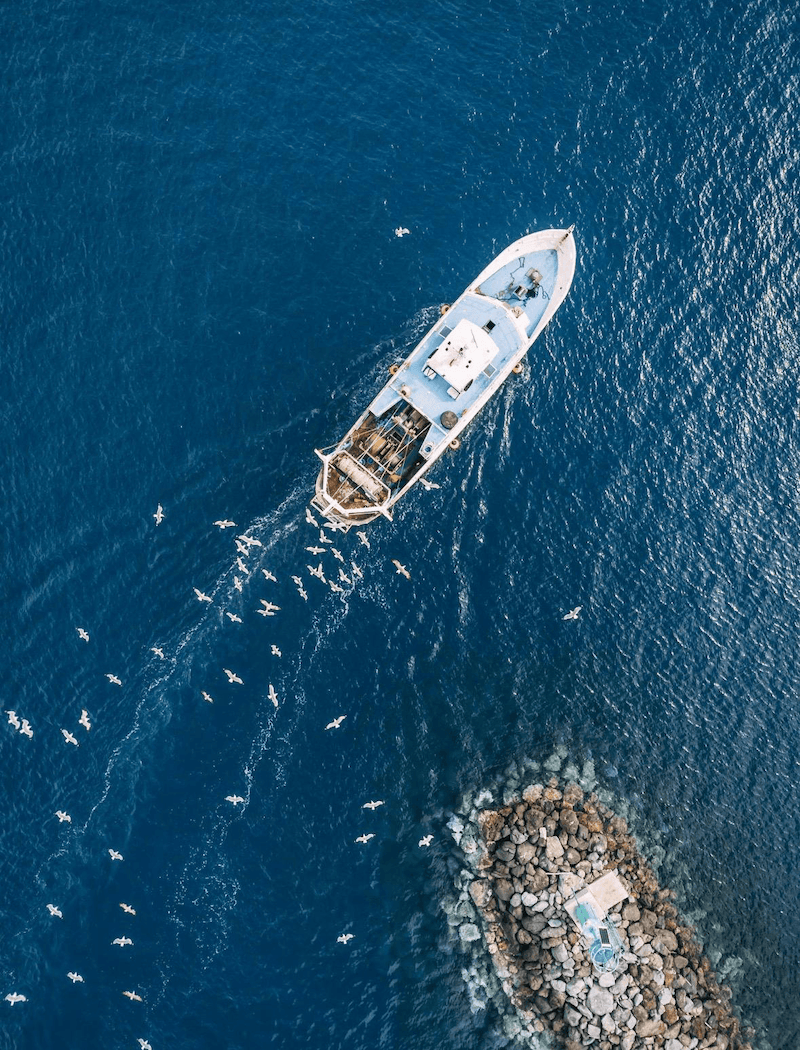
The wild caught fish differs from all other sources of protein by having multiple factors during the handling, which estimate the end quality of the product, such as condition and chemical composition of the fish during season, the catching method, handling of the fish onboard and the delivery time to the landfrozen factory.

Thanks to modern technology we track each batch from the vessel to factory, carefully check and evaluate the gradings and inspect the fish using our network of agents and proven surveyors. This allows us to take responsibility for the goods delivered from more than 1000 suppliers globally.

Communicating the quality batch by batch to the end user is our main competence, and it differentiates us from the market, and makes our promise complete – right quality, for the intended purpose of use, at the right time.
SEA CHEF certification

Quality Standards
by Species

Herring and Cetoleic Acid: Why an Old European Fish Could Shape the Future of Marine Oil Supplements
Clupea harengus
For most of European history, herring was valuable for a brutally simple reason: it fed people at scale. Long before the language of "functional foods", "bioactives" and "nutraceuticals", herring was one of the fish that helped build coastal trade, urban wealth, and everyday diets across the North Sea and Baltic worlds. Herring played a fundamental social and economic role in Europe, helped support cities such as Great Yarmouth, Amsterdam, and Copenhagen, and became known as the "silver of the sea".Today, old good herring is attracting fresh attention for a very different reason: its oil is unusually rich in cetoleic acid, an omega-11 long-chain monounsaturated fatty acid that is now being studied for superior effects on lipid metabolism, omega-3 biology, and cardiometabolic health.
Anisakis simplex in main commercial species: fish health, human health, regulatory consequences and operator response
Anisakis simplex
Anisakis is a major commercial risk in wild-caught fish, affecting food safety, border compliance, and marketability. Larvae may migrate from viscera to muscle, especially if chilling and freezing are delayed. Freezing or heat kills them, but does not remove visible worms or all allergens. EU controls focus on visible parasites in edible flesh, which can lead to rejection or downgrading of imports. Risk is reduced by careful sourcing, rapid chilling, evisceration, trimming, and full traceability.
Atlantic mackerel quality guide
Scomber scombrus
Atlantic mackerel quality is determined long before processing. Because of its high fat content and enzyme activity, it is highly sensitive to temperature abuse, delayed freezing, and rough handling. Seasonal condition matters: summer fish are leaner, and softer, while autumn fish have the best shape and smoking quality, but are also more vulnerable to oxidation. Catching method and freezing style are critical: purse seine and seafrozen production usually give better premium quality than trawling and delayed landfreezing. Quality is assessed through freshness signs, internal condition, and careful batch traceability from vessel to factory.